

Key takeaways
- Agentic marketing is an operating model, not a tool. The human owns strategy and guardrails, the engine owns volume, the algorithm owns selection.
- One brief becomes about a hundred finished ads in twenty minutes. A typical agency month produces four.
- Volume is arithmetic, not taste. With a 5% hit rate, four ads give you a 19% chance of a winner. A hundred give you 99%.
- Nobody picks the winner any more. Meta does. The job is to feed it candidates and to learn from what it chose.
- Governance is what separates volume from slop: brand, claims and platform policy gates, agreed once, applied to every ad.
- The cycle is a week. Brief, generate, launch, measure, learn, again. The loop is the product; the ads fall out of it.
Agentic marketing is paid acquisition run as a loop: a human sets the strategy and the guardrails, an AI engine produces ads at volume, the ad platform’s algorithm selects the winners, and the whole cycle repeats every week instead of every quarter.
I did not set out to invent a category. I set out to stop losing to luck. For twelve years I bought traffic the normal way: a brief, a designer, a week of revisions, four ads, a launch, and then a month of hoping one of the four was the one. Sometimes it was. Most of the time the account limped along and everybody blamed the audience, the offer, the season, or Meta. In 2024 I built an engine that could produce a hundred finished ads from one brief in about twenty minutes, and the first thing it taught me was that I had been playing a numbers game with a hand of four cards. This article is the operating model that came out of that.
Start with the volume, because everything else follows from it
The number to hold in your head is a hundred. Not because a hundred is magic, but because it is the smallest quantity at which the platform’s delivery system has enough candidates to do its job. Below that you are not testing, you are guessing with extra steps.
The input
One brief
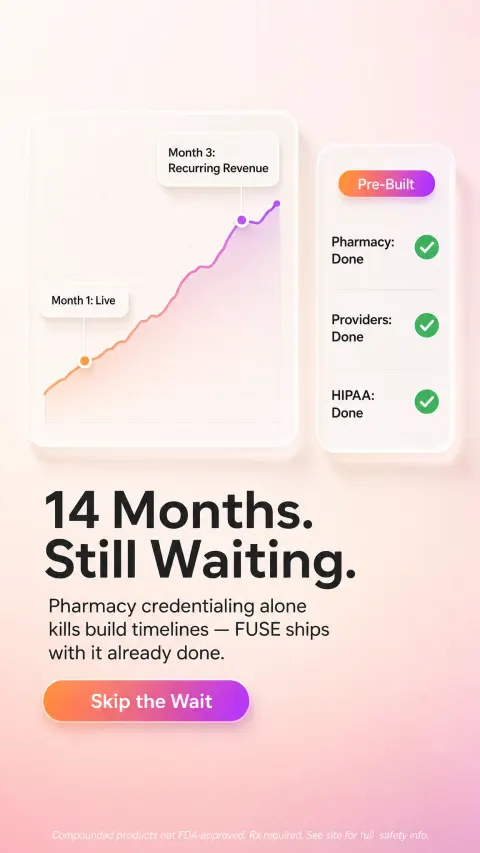

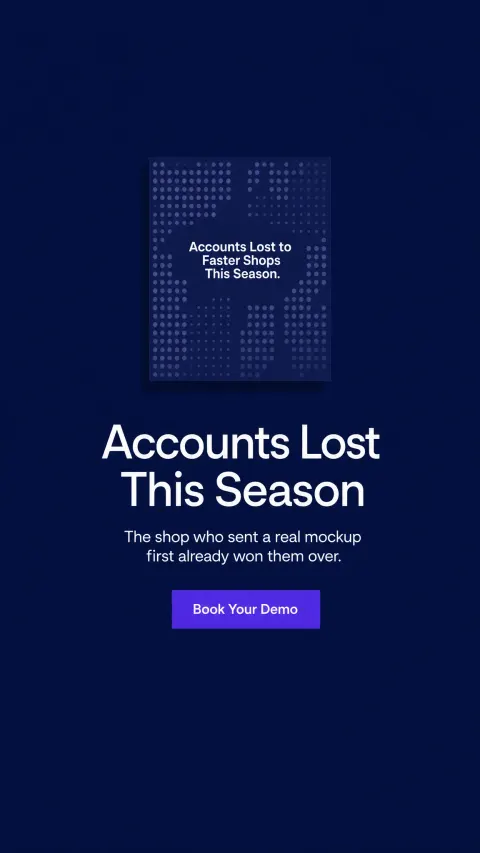
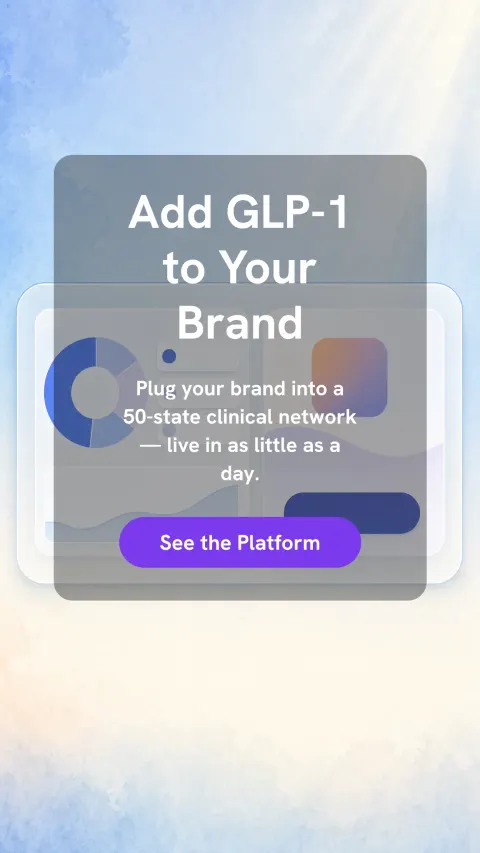
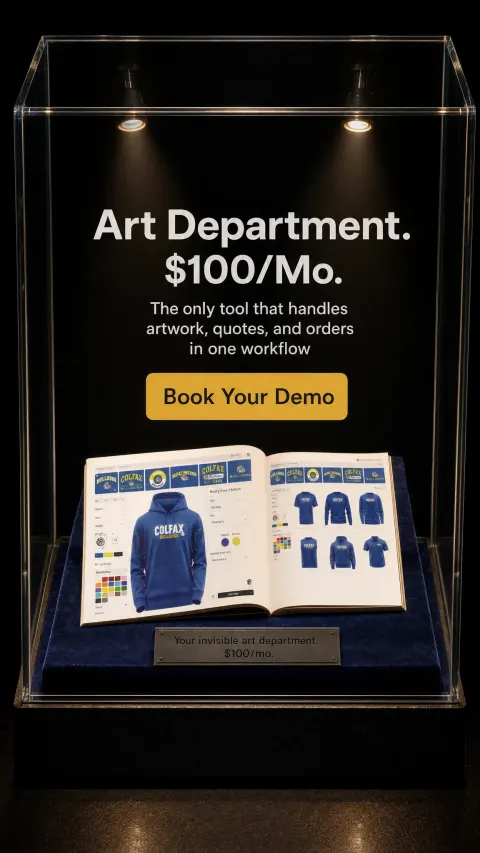
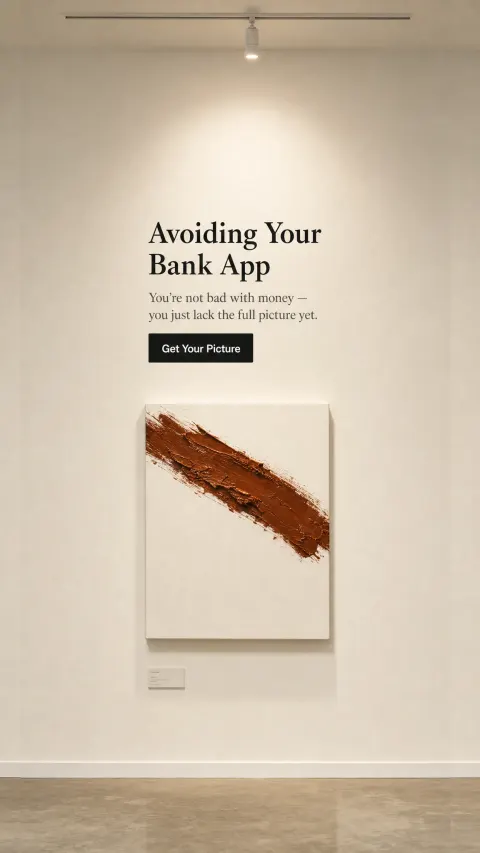
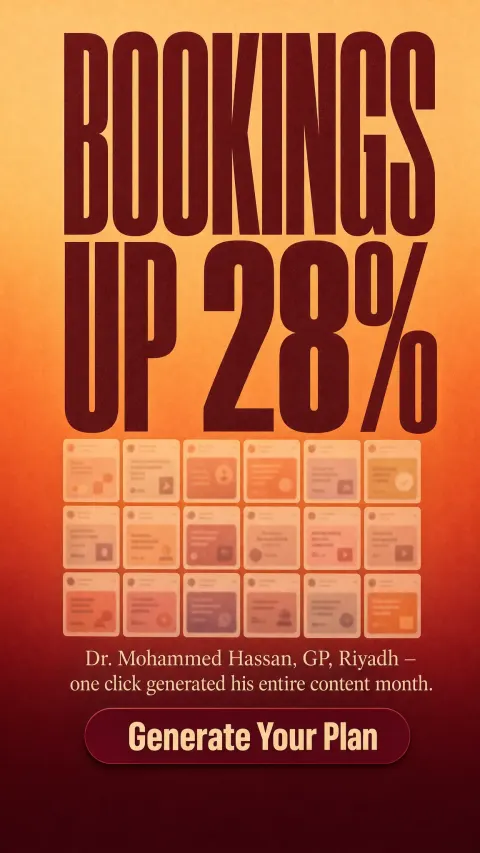
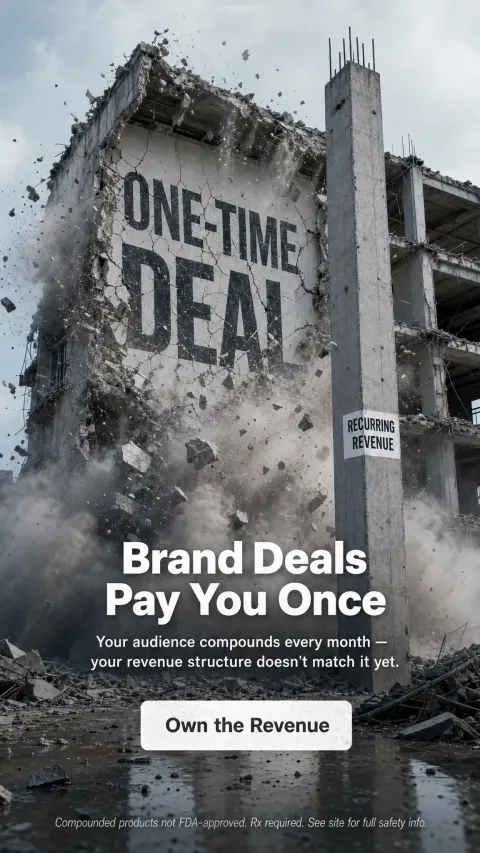
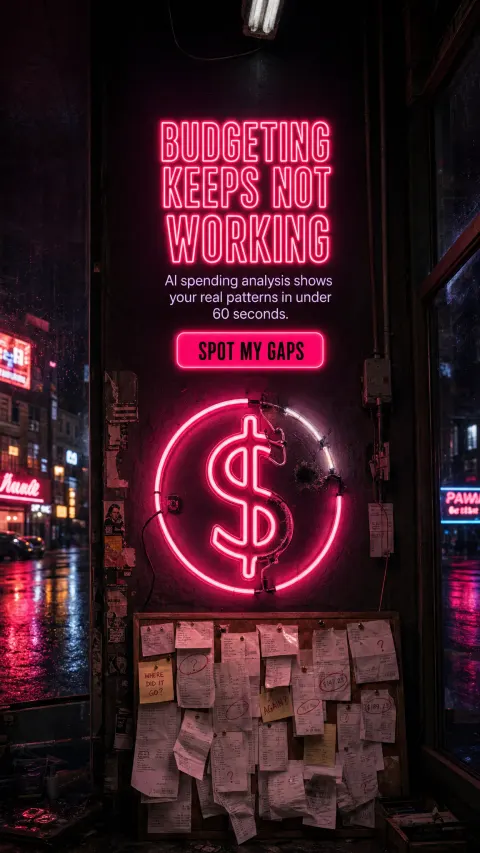
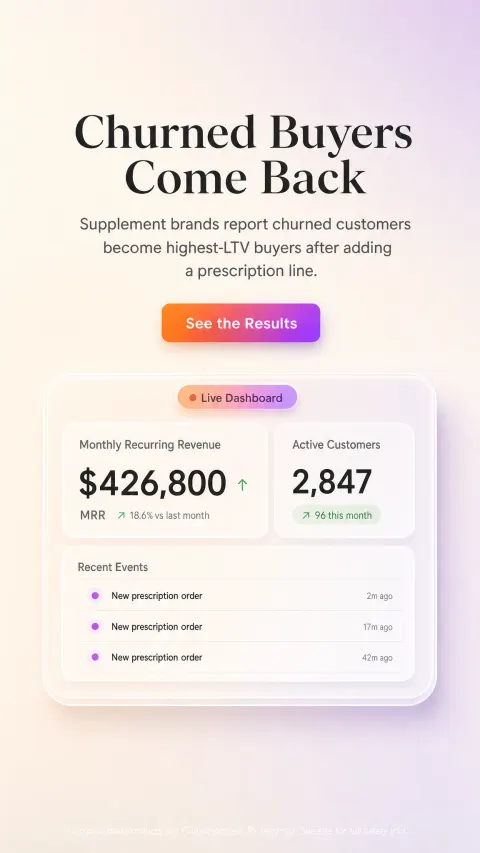
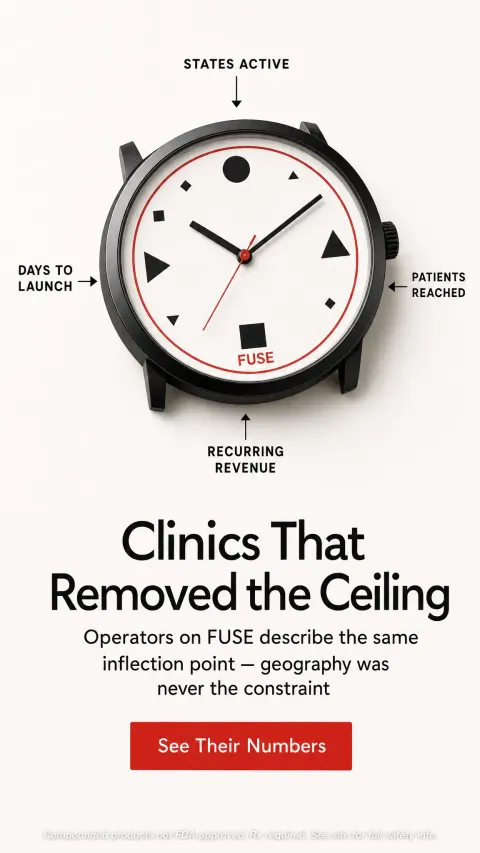



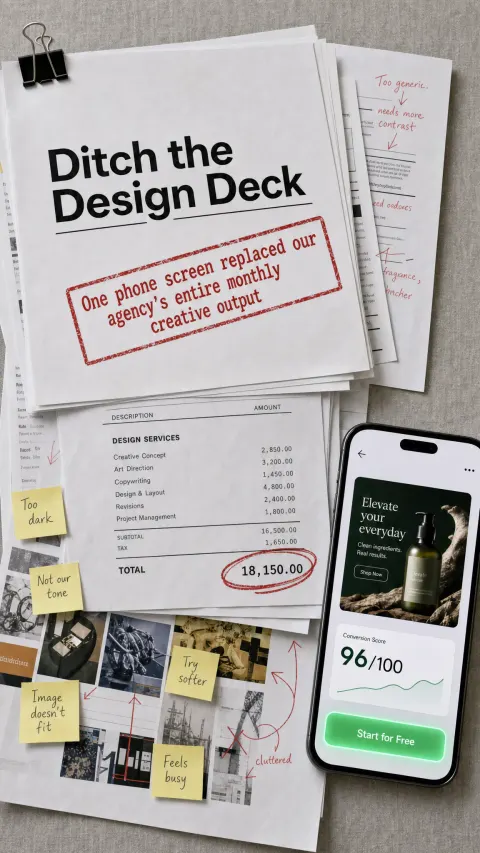
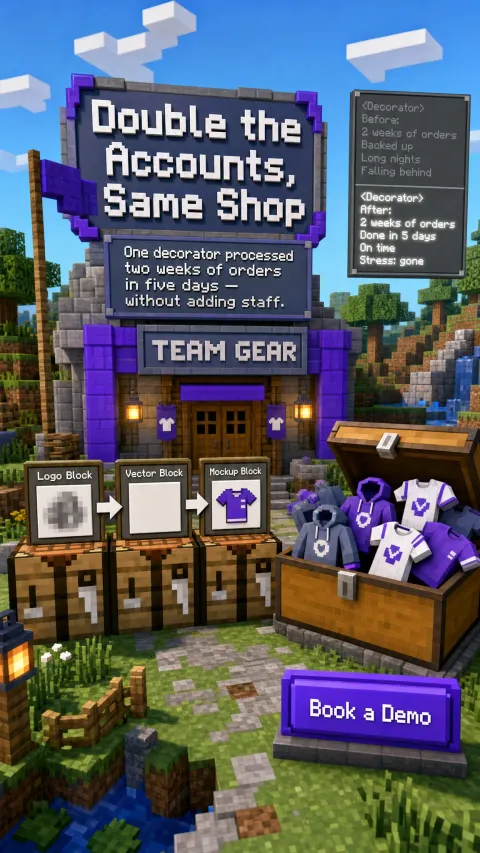

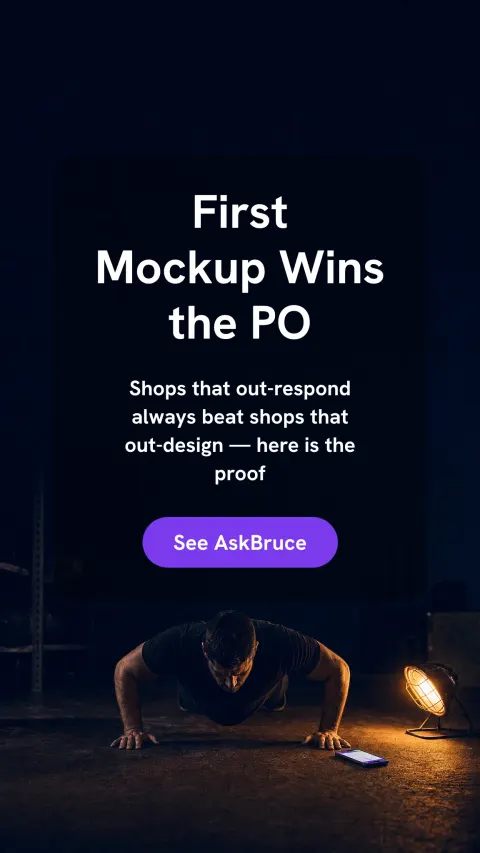


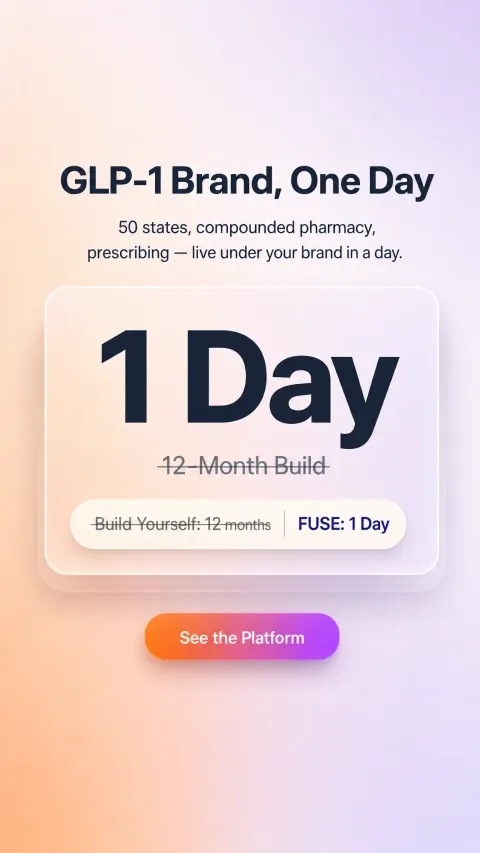
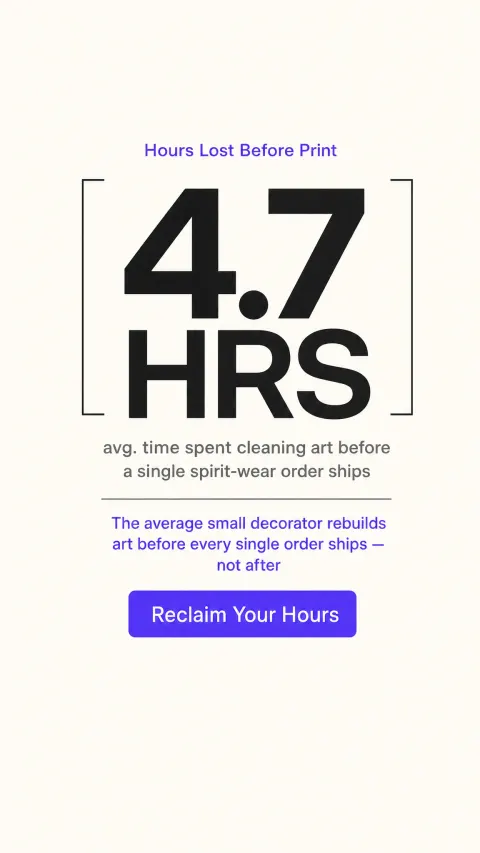
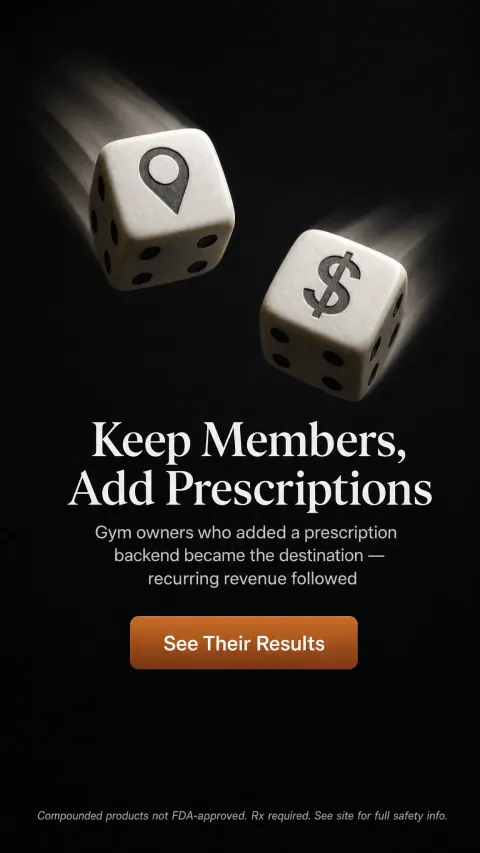
That grid is not a mock-up. Those are ads the Nask AI engine produced for real briefs, for real clients, in regulated categories where a wrong claim gets an account restricted. The input is a written brief: who the customer is, what the offer is, what has been proven to work, what can never be said. The output is a hundred variations of angle, hook, format and visual, ready to upload. The human work is the brief, not the production.
People hear “a hundred ads” and picture a hundred versions of the same ad with different colours. That is not it. The engine works angles: the fear of being late, the cost of the current workaround, the status of the people who already switched, the arithmetic of the outcome. Each angle gets several hooks. Each hook gets several formats. A hundred is what you get when you stop pretending you know which of those a stranger on Instagram will respond to.
Who picks the winner? Not you. Not me. Meta.
This is the part that offends people, so I will say it plainly. We do not pick the winning ad any more. Meta does. Its delivery system sees every impression, every scroll-past and every click, and it reallocates budget toward the creatives that earn attention within hours. It is better at this than any human, including the ones who write the ads.
Meta decided. I supplied the candidates.
The old model treated selection as a creative decision. A director looked at four concepts and chose the one that felt right. The agentic model treats selection as a delivery decision and hands it to the only party that has the data. My job moves one step earlier: make sure the hundred candidates are worth choosing from, and make sure none of them can hurt the brand if the algorithm falls in love with it.
That last clause matters. If you give the algorithm a hundred ads and one of them promises something you cannot deliver, the algorithm will find it, scale it, and get you a restriction. Which is why the next section is not optional.
The maths: volume negates luck
Here is the whole argument in one formula. If each ad has a probability p of being a winner, the chance that at least one winner exists among n ads is 1 minus (1 minus p) to the power of n. Put p at 5%, which is generous for cold traffic, and look at what n does.
Chance that at least one winner exists
Four ads: 19%. That is a typical agency month, and it is why most agency months feel like a coin toss. Twenty ads: 64%, which is what a motivated in-house team produces when nobody is on holiday. A hundred ads: 99%. At a hundred you have stopped gambling. A winner exists in the batch; the only question is how fast the algorithm surfaces it, and the answer is usually days.
Volume is not a style choice and it is not a sign that someone is lazy. It is the only known way to make the outcome of a launch depend on the offer rather than on whether the one designer had a good week.
Speed is the second half of the same argument
Volume alone is a print run. Speed turns it into a loop. The same brief goes through two very different clocks depending on how many hand-offs sit between the idea and the impression.
The agency timeline is not slow because agencies are bad. It is slow because each station has a meeting in front of it: kickoff, concepts, revisions, approval. Four hand-offs, two weeks, four ads. The agentic timeline has one hand-off, the brief, and one check, the guardrails. A hundred ads are live the same day. When a launch costs a day instead of a fortnight, you stop treating launches as events and start treating them as a habit.
Governance: the rails that make volume safe
Everything above is dangerous without this section. A hundred ads a week from an engine with no rules is a hundred chances to say something the brand would never say, promise something the product cannot do, or use a personal attribute the platform prohibits. I have watched accounts die that way. So the rails come first, once, before the first ad.
Three gates, every ad, no meeting. The brand gate covers voice, visual identity, and the words the company never uses. The claims gate covers what can be promised and what evidence sits behind it; “lose 20 lbs in 30 days, guaranteed” does not pass it in any category. The platform-policy gate covers what Meta itself prohibits: health conditions, financial status, personal attributes, anything that gets an ad rejected and, after enough rejections, an account restricted.
The rails are agreed with the client up front. From then on I get full freedom inside them and zero freedom outside them, and that is precisely the deal that lets creatives go live without waiting for approval. Most clients sign off on the guardrails between week two and week three, and after that the loop runs at its natural speed.
The loop is the product
Put volume, selection, speed and governance together and you get a weekly cycle that looks like this.
- 1BriefMonday, 30 min
- 2Generate100 ads, 20 min
- 3Launchsame day
- 4MeasureMeta decides
- 5Learnwhat won, and why
- 1 lap = 1 week
Monday, a thirty-minute brief: what did last week’s winner teach us, what angle do we push next. Then generation, a hundred ads in twenty minutes, through the gates. Then launch, the same day. Then the algorithm measures, which is a polite way of saying it spends money on the candidates and tells us which one strangers actually cared about. Then the human reads why. Not which ad won; why it won. That “why” is the brief for next Monday.
One lap is a week. An agency lap is a quarter, because every station on the ring has a meeting in front of it. Over a year that is fifty-two experiments against four. It is not a fair fight, and it was never about talent.
What agentic marketing is not
The word “agentic” is getting attached to everything with an API, so three distinctions are worth making.
| Agentic marketing | Marketing automation | Agency with AI tools | |
|---|---|---|---|
| Who decides strategy | Human | Human, once, then frozen | Account team |
| Who produces creative | AI engine, at volume | Templates | Designers, assisted |
| Who selects winners | The platform’s algorithm | Rules set in advance | Creative director |
| Candidates per cycle | About 100 | As many as the template allows | 4 to 8 |
| Cycle time | A week | Continuous, but static | A quarter |
| Where it fails | Without governance | When the market moves | At every hand-off |
Automation repeats a fixed process faster. It is useful and it is not this. Agentic marketing changes the process: the candidate count, the selector, and the cycle length are all different. An agency with ChatGPT open in another tab is still an agency; the hand-offs are the same, the four concepts are the same, the quarter is the same. The tool did not change the operating model.
And it is not “AI slop”. Slop is volume without governance. The gates are the difference, and they are the part nobody photographs for LinkedIn.
What it looks like in numbers
I do not expect anyone to take an operating model on faith, so here is where the loop has been run and what it produced. Every one of these has a full write-up on the case studies page.
HyperTask, an early-stage AI SaaS, got hit by Meta’s Andromeda update and watched its cost per lead spike to $280. Thirty-two weeks, 667 creatives, a landing page rebuild and a mid-flight funnel pivot later, the CPL was $10, a 78% reduction. Nobody hand-designed 667 ads.
Thryve Clinic, a functional medicine practice, had spent $4,437 on Meta for 175 instant-form leads and zero sales. Four weeks of the loop: 147 ads, 31 landing pages, a dead placement eating 61.7% of impressions found and killed, and a page-to-lead rate that went from nothing to 7.96%.
Fuse Health, a B2B health-tech company, had a newly hired go-to-market team still planning a five-channel engine while a single $100-a-day Meta account became 100% of the company’s acquisition and filled the CEO’s calendar six weeks out.
None of those accounts got a better designer. They got more candidates, a faster loop, and rails.
What the human still does
The obvious objection is that this model makes the marketer redundant. It does the opposite; it makes the marketer expensive in the right places. The engine cannot write the offer. It cannot do the funnel maths that says whether a $28 lead is a bargain or a disaster. It cannot sit on a sales call and hear that the real objection is not price. It cannot set the guardrails, because it has no idea what the brand would rather lose than say. And it cannot read a winning ad and explain why it won in a way that improves next week’s brief.
That is the whole job now: offer, funnel maths, sales process, guardrails, and the weekly “why”. Everything between the brief and the impression is the engine’s problem. Which is exactly the split I wanted twelve years ago and could not have, because production ate the week.
The funnel maths in particular is not optional, and it is the part people most want to skip. If you want the version with the actual numbers in it, every stage of the sheet I forecast against is explained in Meta ads funnel benchmarks, stage by stage.
Frequently asked questions
What is agentic marketing in one sentence?
Agentic marketing is paid acquisition run as a weekly loop where a human owns strategy and guardrails, an AI engine produces creative at volume, and the ad platform’s algorithm selects the winners.
Is agentic marketing the same as marketing automation?
No. Automation repeats a fixed process faster. Agentic marketing changes the process itself: the volume of candidates goes from four to a hundred, selection moves from a person to the algorithm, and the cycle shrinks from a quarter to a week.
Does volume mean AI slop?
Only without governance. Every ad passes three gates agreed before the first one ships: brand, claims, and platform policy. Volume inside the rails is testing; volume outside them is a liability.
Why Meta first and not Google or TikTok?
Because Meta’s delivery system is the best selector of creative that exists, and the loop depends on the selector. Once the winning message is known on Meta, it travels to other channels cheaply.
How many ads does one loop produce?
About a hundred from one brief, in roughly twenty minutes, on the Nask AI engine. A typical agency month produces four.
What does the human still do?
Everything the engine cannot: the offer, the funnel maths, the guardrails, reading why a winner won, and deciding what to brief next week.
If you want this loop running on your account, the plans, the pricing and the 30+30 day money-back guarantee are on one page. Bring the numbers; leave with a decision.
See the plans